-
Technology and Infrastructure Cost Management: From Predictable Hardware Investments to Continuous Cloud Optimization
In the traditional, hardware-driven infrastructure model, technology costs were generally more predictable and easier to forecast. Organizations invested in physical servers, storage systems, networking equipment, and data center facilities, with most expenditures calculated and approved upfront. Capital investments were planned around known hardware requirements, depreciation schedules, maintenance contracts, and expected capacity needs. While scaling infrastructure…
-

The Race to Release: Are We Sacrificing Software Quality?
In almost every profession, we understand that quality takes time. So why does software development seem to operate under a completely different rule? Software development has become a race against the clock. Leadership wants faster delivery, shorter development cycles, more frequent releases, and more features delivered with fewer resources. Agile, DevOps, automation, CI/CD, and AI-assisted…
-
Technology Certifications: Recognition, Not Mastery
Technology certifications have become an important part of the modern technology industry. Vendors such as cloud providers, software companies, and technology organizations offer certifications as a way to validate an individual’s knowledge of specific products, platforms, and technologies. While certifications can be valuable, they should be viewed as one indicator of knowledge; not a definitive…
-
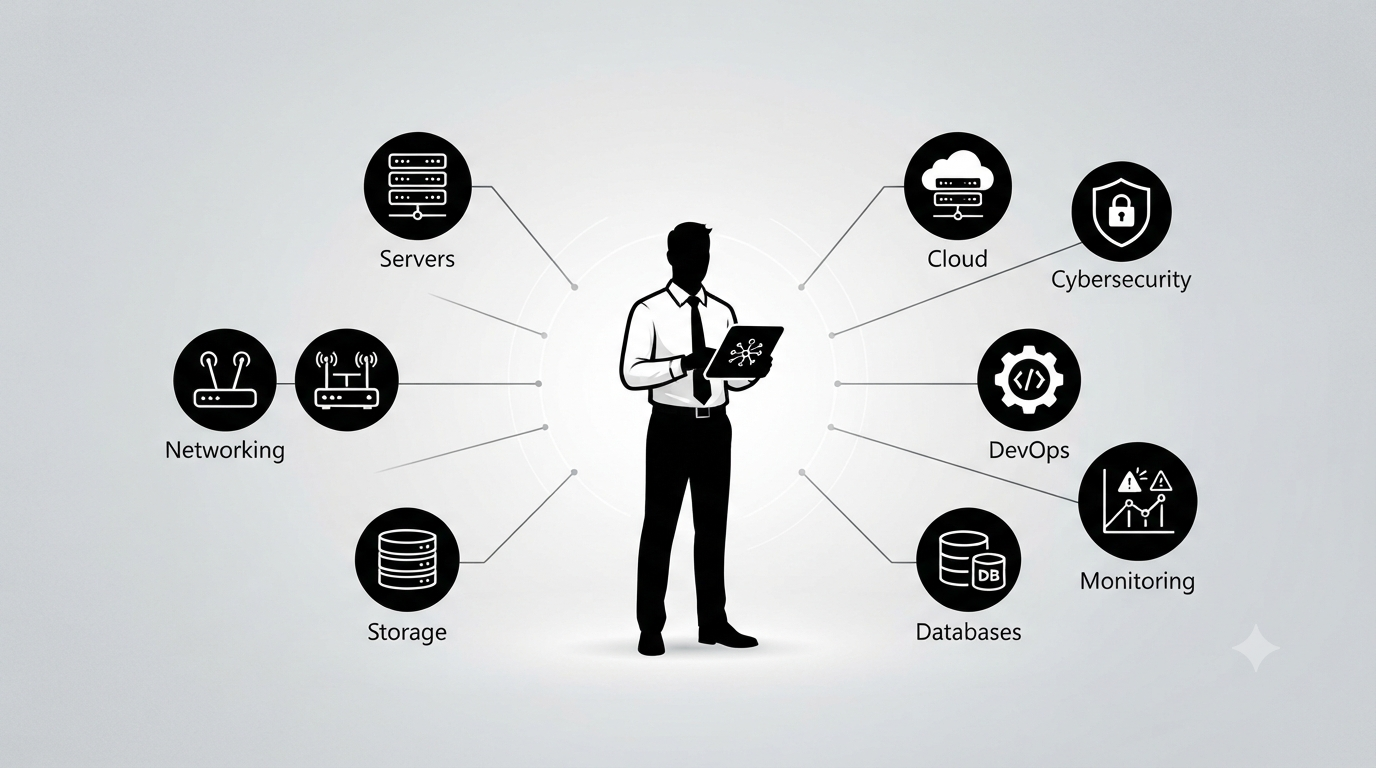
The Evolution of the SysAdmin: Why Infrastructure Knowledge Still Matters in a Cloud-First World
If you’ve worked in IT for more than twenty years, you’ve witnessed one of the biggest transformations our industry has ever experienced. The role of the traditional system administrator has gradually been divided into a collection of specialized positions: DevOps engineers, cloud architects, cybersecurity analysts, identity engineers, storage administrators, site reliability engineers, and countless others.…